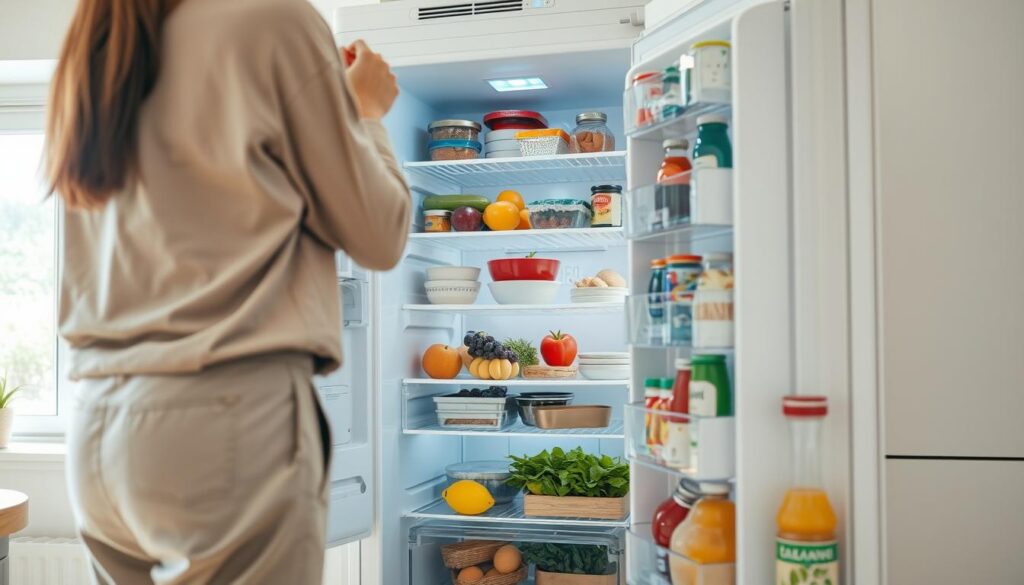
Do you know that ignoring your commercial fridge can cost you a lot? Keeping your fridge in good shape is key to avoiding spoiled food and keeping everyone safe. By doing daily checks, you can spot problems early.
At Melbourne Refrigeration and Catering Equipment, we’re here to help. Regular fridge checks keep your kitchen tidy, cut down on waste, and stop food illnesses. Taking care of your fridge means your business runs smoothly and avoids big losses.
Key Takeaways
- Regular fridge checks help prevent spoiled stock and ensure food safety.
- Proper refrigerator inventory maintenance is crucial in commercial kitchens.
- Conducting daily checks can identify potential issues before they become major problems.
- Maintaining a well-organised kitchen reduces waste and prevents foodborne illnesses.
- Prioritising fridge maintenance ensures a smooth operation and protects your business.
The Financial and Safety Impact of Proper Refrigeration Monitoring
Keeping an eye on your refrigeration is crucial. It helps avoid expensive losses from spoiled food and meets strict food safety rules. By keeping your fridge at the right temperature, you lower the chance of food poisoning. This also saves money by preventing food from going bad.
The Real Cost of Spoiled Inventory in Hospitality
When food goes bad, it can hurt your business a lot. You’ll have to pay to replace it, and you might lose customer trust. Regular food storage audits can spot problems early. This keeps your inventory in check.
Australian Food Safety Standards and Compliance Requirements
Australia has strict food safety laws for businesses. Following these laws is not just about avoiding fines. It’s about keeping your customers safe. Keeping your fridge in good shape is key to storing food safely.
How Proper Refrigeration Maintenance Protects Your Business Reputation
Your business’s reputation is at stake with every meal you serve. Keeping your fridge working right is more than just saving food. It’s about keeping your customers safe and happy. If you fail in food safety, it can harm your business for a long time.
Setting up a good refrigeration monitoring system is a smart move. It helps prevent food waste and keeps you in line with food safety rules. This protects your customers and keeps your business financially stable and respected.
Essential Morning Refrigeration Checks
To keep food fresh and safe, it’s vital to check your fridge every morning. These checks help spot problems early and keep your fridge working well.
Temperature Verification Protocol and Documentation
First, check the fridge’s temperature with a thermometer. Make sure it’s cold enough (below 4°C for fridges, -18°C for freezers). Write down the temperature in a logbook or on a digital system. For a detailed checklist, look at a perishables stocking checklist.
Visual Inspection of Seals, Gaskets, and Door Alignment
Look at the seals and gaskets on your fridge’s doors for damage. Make sure they seal well and there are no gaps. Also, check that the doors are aligned right to keep cold air in.
Proper Stock Rotation and FIFO Implementation
Use the First-In-First-Out (FIFO) method to use older stock first. This stops older items from going bad. Move new stock to the back to keep things in order. For tips on managing your fridge, see an essential display refrigeration buying guide.
Condensation and Drainage System Assessment
Check your fridge’s condensation and drainage systems. Make sure they’re working right. Clear any blockages and check the condensation to avoid water damage and keep your kitchen clean.
Doing these morning checks every day will improve your kitchen’s freshness and food safety.
Daily Fridge Checks That Prevent Spoiled Stock
To keep food safe and stop stock from spoiling, daily fridge checks are key. These checks make sure your fridge works right and food stays safe to eat.
Mid-Day Temperature Monitoring and Adjustment Procedures
Checking fridge temperature mid-day is vital. You should check it at least once when it’s busiest. This ensures it stays below 4°C, which is safe.
If it’s not right, you might need to change the fridge settings. For tips on keeping fridge temperatures just right, check out guides on preventing food spoilage with regular commercial fridge checks.
Cross-Contamination Prevention Techniques
Cross-contamination is a big risk in kitchens. Proper fridge management helps lower this risk. Keep raw meats, dairy, and ready-to-eat foods in different fridge areas.
Use sealed containers and label them well to avoid mix-ups. Clean and sanitize the fridge often to stop bacteria spread.
Proper Storage Practices for Different Food Categories
Each food type needs its own storage method to stay safe and fresh. Raw meats go on the bottom shelf to stop juices from dripping on other foods.
Dairy and ready-to-eat foods go higher up. All foods should be in covered containers. For help choosing the right commercial fridge, look at a commercial refrigerator buying guide.
Digital vs Manual Monitoring Systems for Australian Kitchens
Australian kitchens can choose between digital or manual fridge monitoring systems. Digital systems give real-time updates and alerts for temperature changes, adding safety.
Manual systems need more effort but can work well if done right. Your kitchen’s needs and resources will decide between digital and manual systems.
Evening Closing Procedures and Overnight Monitoring
To stop food from spoiling and keep the kitchen safe, it’s key to follow strict evening closing steps. When the day ends, make sure your fridges are ready for the night. This keeps your food safe and of good quality.
End-of-Day Refrigeration Audit Checklist:
Doing a detailed fridge check at the end of the day is vital. It helps spot problems early. Your checklist should cover:
- Temperature verification: Make sure all units are at the right temperature.
- Visual inspection: Look for any damage on seals, gaskets, and doors.
- Stock rotation: Check if stock is rotated correctly, following the FIFO rule.
- Cleaning and maintenance: Note any cleaning or maintenance needed.
Preparing Your Refrigeration Equipment for Overnight Operation
Getting your fridges ready for the night involves a few steps. First, set the temperature controls for the night. Then, check that all doors are closed well and there’s nothing blocking them.
Remote Monitoring Options for After-Hours Temperature Control
In Australia, using remote monitoring for fridges is a smart move. It lets you watch your fridge’s temperature live, even when you’re not there. This is great for catching and fixing temperature issues at any time.
Conclusion: Building a Refrigeration Maintenance Culture in Your Kitchen
Regular fridge checks can stop food from spoiling. This helps avoid foodborne illnesses and saves money. Keeping your fridge in good shape is key in Australia, where food safety rules are strict.
To build a strong fridge maintenance culture, follow the CDC’s food safety steps. These are Clean, Separate, Cook, and Chill. For more on food safety, check out Altametrics.
For expert advice and fridge equipment, talk to Melbourne Refrigeration and Catering Equipment. They offer tips on choosing the best fridge for your kitchen. See their Commercial Refrigerator Buying Guide for more.
Focus on daily fridge checks and a well-working fridge system. This will protect your business’s good name and keep you in line with Australian food safety laws.
At Melbourne Refrigeration & Catering Equipment, we supply quality commercial kitchen and catering equipment built for real service conditions. We work with cafés, restaurants, takeaways, pubs, clubs, hotels, and larger venues across Melbourne to match the right equipment to the way you operate, so it performs consistently, lasts longer, and delivers better value over time.
Whether you’re fitting out a new venue or replacing a tired unit, we focus on proven brands, correct sizing, and practical advice that helps you avoid costly mistakes.
Explore our Range of Commercial Kitchen & Catering Equipment

0 Comments