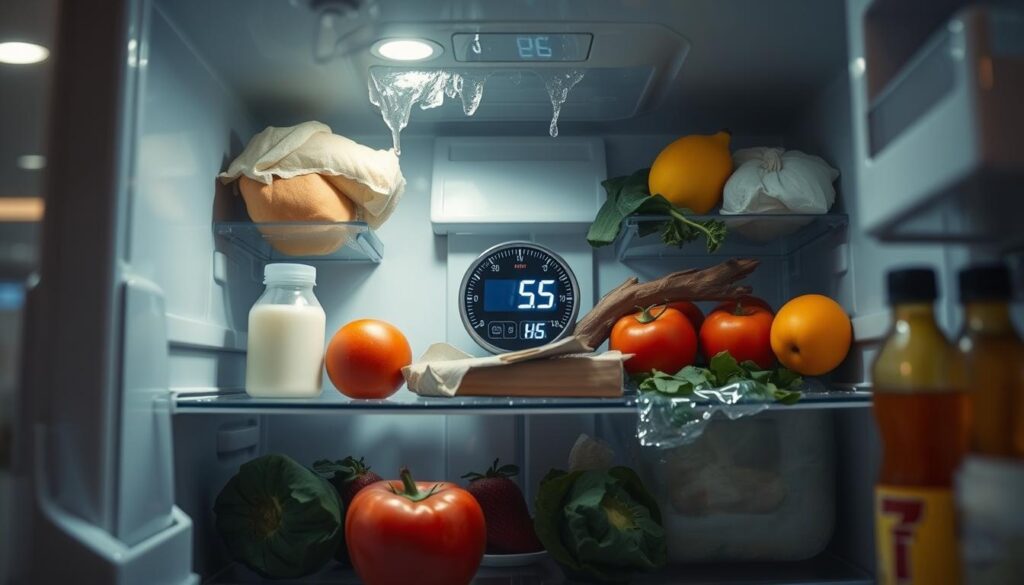
Is your fridge not keeping food at the right temperature? This can be a big worry, leading to spoiled food and health risks. It’s key to keep your fridge at the right temperature to keep food fresh and safe. In this article, learn about the common causes for a fridge not holding temp.
At Melbourne Refrigeration and Catering Equipment, we know how vital good refrigeration is in kitchens. Our team can help fix fridge temperature problems. This ensures your kitchen stays efficient and your food is safe to eat.
Key Takeaways
- Understanding the importance of maintaining the right fridge temperature.
- Recognising the potential consequences of fridge temperature issues.
- Identifying common causes for a fridge not holding temperature.
- Knowing when to seek professional help for fridge issues.
- Ensuring your fridge is properly maintained to prevent temperature fluctuations.
Why Proper Refrigerator Temperature Matters
Keeping your fridge at the right temperature is key for food safety and saving energy. A well-working fridge keeps food fresh longer and cuts down your energy costs.
Food Safety Concerns–
Wrong fridge temperatures can cause food to spoil and grow harmful bacteria. It’s vital to keep your fridge below 5°C. Here are some important food safety points:
- Bacterial growth on perishable items
- Food spoilage due to inadequate cooling
- Risk of foodborne illnesses
For more on food safety, check out The Spruce for expert tips.
Energy Efficiency and Operating Costs–
A fridge at the right temperature saves energy and cuts costs. An inefficient fridge can raise your bills and need more upkeep. To save money, remember these tips:
- Regularly check and adjust your fridge’s temperature settings
- Ensure proper air circulation around your fridge
- Consult a pro, like Melbourne Refrigeration, for fridge maintenance advice
If your fridge’s temperature is off, call us today at (03) 9794 8627 or email sales@melbournerefrigeration.com.au for help.
Common Causes for a Fridge Not Holding Temp
If your fridge isn’t keeping the right temperature, finding the cause quickly is key. A fridge that can’t hold the correct temperature can spoil food and raise your energy bills. Knowing the common causes and fixing them can prevent these problems.
Overview of Temperature Regulation Systems–
Your fridge’s temperature control system keeps the temperature steady. It includes parts like the thermostat, compressor, and fans. If any of these parts go wrong, it can mess up the fridge’s temperature.
How to Identify Temperature Fluctuations?
To spot temperature changes, you should check your fridge’s temperature often. Use a thermometer or look at the fridge’s temperature display. If you see any odd changes, it’s important to find out why.
Using a Thermometer to Verify Problems
Using a thermometer is a good way to check if your fridge’s temperature is off. Put the thermometer in the fridge and wait a few hours for a true reading. If the temperature isn’t right, it might mean a problem with your fridge’s system.
If your fridge’s temperature is a problem, our team is here to help. We offer expert advice, product suggestions, and free on-site visits. Visit our showroom or contact us today.
Door Seal and Gasket Issues
The door seal and gasket are key to keeping your fridge cool. If they don’t work right, your fridge works too hard. This can make your energy bills go up. For more info on fridge repair, check out Capital Appliance Repair.
Testing Your Door Seal Integrity–
To check if your door seal is working, try this:
- Close the door on a piece of paper or a dollar bill.
- Try to pull the paper or bill out.
- If it comes out easily, the seal may be compromised.
Cleaning and Maintaining Door Gaskets
Keeping your door gaskets clean and well-maintained is important. Here’s how:
- Wipe the gasket with a mixture of soap and warm water.
- Dry the gasket well to stop mould.
- Look at the gasket often for wear signs.
For more fridge care tips, see the Melbourne Refrigeration commercial fridge guide. Our team is ready to help with any fridge questions or problems.
Thermostat and Temperature Control Malfunctions
If your fridge’s temperature is off, it might be the thermostat or temperature control system. This can cause food to spoil and increase your energy bills. It’s important to know the signs of thermostat problems and how to fix them to keep your fridge working well.
Signs of a Faulty Thermostat
A bad thermostat can show in different ways. You might see temperature readings that don’t match, a fridge that’s too cold or not cold enough, or a compressor that runs all the time or not at all. If you see any of these, it’s time to find out why.
- Inconsistent temperature readings
- Fridge being too cold or not cold enough
- Compressor running continuously or not at all
Troubleshooting and Calibrating Temperature Controls
To fix thermostat problems, first check the temperature settings. Make sure they’re right. You can also use a thermometer to check the fridge’s temperature. If you think the thermostat is broken, it’s best to get a pro to fix or replace it. For help, you can contact Melbourne Refrigeration. They’ve been helping the hospitality industry since 1984.
By knowing the signs of thermostat problems and acting on them, you can keep your fridge running smoothly. This will help keep your food safe and lower your energy bills.
Ventilation and Airflow Problems
Ventilation and airflow issues can really affect your fridge’s performance. Good airflow helps keep the temperature even, keeping your food fresh. But, problems with ventilation can make your fridge use more energy and work too hard.
Identifying Blocked Vents and Fans–
Blocked vents and fans can mess with your fridge’s airflow. Look for any food or ice that might be blocking the vents. Make sure the fans are clean and working right. Dirty or broken fans can cut down on airflow a lot.
Regularly cleaning the vents and fans is key to keeping your fridge running well.
Proper Food Arrangement for Optimal Airflow–
How you arrange your food in the fridge also matters for airflow. Don’t pack the shelves too full, as it can block vents and reduce air flow. For tips on making your fridge work better, check out our essential display refrigeration buying guide.
Arranging your food right lets air move freely, keeping the fridge at a steady temperature.
Compressor and Cooling System Failures
A faulty compressor or cooling system can really affect your fridge’s temperature. The compressor is key, compressing the refrigerant for cooling. Without it, the fridge can’t cool properly.
Warning Signs of Compressor Issues–
Spotting compressor problems early can stop bigger issues. Look out for odd noises, higher energy bills, and visible damage. If you see these signs, act fast.
- Unusual noises from the compressor
- Increased energy bills
- Visible wear or damage
Refrigerant Leaks and Their Impact–
Refrigerant leaks can also harm your fridge’s cooling. They lower the refrigerant level, making the fridge less efficient. This can make the compressor work too hard and fail early. If you think there’s a leak, get a pro to check it out.
Having trouble with your fridge’s compressor or cooling? It’s best to get expert help. At Melbourne Refrigeration, at 15 Station Street, Dandenong, Victoria 3175, our team can fix these problems quickly.
Preventative Maintenance Tips
Regular maintenance is key to preventing temperature-related issues with your fridge. By staying on top of simple tasks, you can ensure your appliance operates efficiently and effectively.
Regular Cleaning Schedule–
Establishing a regular cleaning schedule is vital for maintaining your fridge’s performance. This includes:
- Wiping down shelves and walls with a mild detergent
- Cleaning the condenser coils to improve airflow
- Checking and replacing worn-out door seals
For more detailed guidance on maintaining your fridge, you can refer to our essential display refrigeration buying guide.
Seasonal Maintenance Checks–
In addition to regular cleaning, performing seasonal maintenance checks can help identify potential issues before they become major problems. These checks may include:
- Inspecting the thermostat and temperature controls for accuracy
- Verifying that the fridge is level and properly aligned
- Checking for signs of refrigerant leaks or other cooling system issues
By following these preventative maintenance tips, you can help ensure your fridge continues to operate efficiently and effectively. This keeps your food safe and reduces energy costs.
At Melbourne Refrigeration & Catering Equipment, we supply quality commercial kitchen and catering equipment built for real service conditions. We work with cafés, restaurants, takeaways, pubs, clubs, hotels, and larger venues across Melbourne to match the right equipment to the way you operate, so it performs consistently, lasts longer, and delivers better value over time.
Whether you’re fitting out a new venue or replacing a tired unit, we focus on proven brands, correct sizing, and practical advice that helps you avoid costly mistakes.
Explore our Range of Commercial Kitchen & Catering Equipment

0 Comments